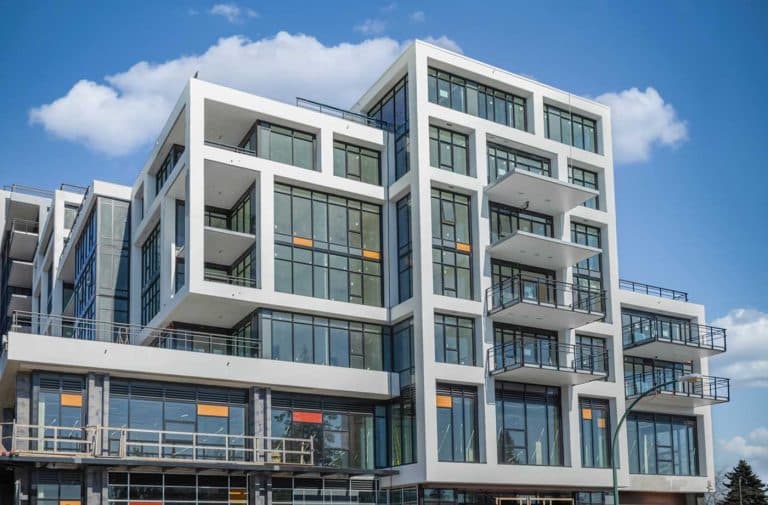
What a Depreciation Report Provides for BC Strata Corporations

Long-term capital planning is a core responsibility for strata corporations, yet it can be difficult to visualize how future costs will emerge across multiple building systems. A well-prepared depreciation report helps address this challenge by presenting a structured, high-level view of anticipated capital expenditures over time.
Rather than attempting to predict exact outcomes, the report focuses on reasonable expectations, allowing strata councils and property managers to make informed decisions based on risk, timing, and financial capacity.
A High-Level View of Future Capital Expenditures
A depreciation report illustrates the approximate timing, scale, and order of magnitude of anticipated future capital expenditures for common property assets. This long-range view helps strata corporations understand how renewal needs may cluster over time and how different assets interact within an overall funding strategy.
By examining all major systems together, the report provides context that is difficult to achieve when issues are addressed individually or reactively.
A Financial Framework for Risk-Based Planning
One of the primary values of a depreciation report is the financial framework it provides for comparing risks and planning ahead. Rather than treating all future expenditures equally, the report helps strata corporations evaluate which components carry greater consequence if delayed and which allow more flexibility.
This framework supports reasoned discussions about funding priorities and helps reduce uncertainty when balancing near-term affordability against long-term asset stewardship.
Understanding Asset Lifecycles and Renewal Timing
Depreciation reports provide clarity around how shared assets are expected to perform over time. By outlining anticipated renewal timelines, the report allows strata councils and owners to better understand when major expenditures are likely to occur and how those needs evolve as the building ages.
Common asset categories reviewed within a depreciation report typically include:
- Building envelope components such as roofs, windows, and cladding
- Structural elements
- Mechanical and electrical systems
- Fire and life safety systems
- Interior common areas and finishes
- Site infrastructure, paving, and buried services
This consolidated view helps decision-makers see the full scope of shared responsibilities rather than focusing on isolated issues.

Supporting Transparency and Informed Decision-Making
Clear information is essential for effective governance. A well-prepared depreciation report supports transparency by giving owners and strata councils a shared understanding of long-term capital needs and associated uncertainties.
When owners understand the rationale behind funding strategies and renewal timing, discussions tend to be more constructive and focused on long-term outcomes rather than short-term reactions.
Identifying When Additional Assessment May Be Warranted
While depreciation reports are intentionally high-level, they also play an important role in identifying when further investigation may be beneficial. Where uncertainty is higher or conditions are evolving, the report may indicate opportunities to engage specialized consultants to refine scope, cost, or timing.
This allows strata corporations to plan follow-up work strategically and avoid making major decisions with incomplete information.
A Living Tool for Long-Term Planning
A depreciation report is not a static document. As projects are completed, conditions change, and new information becomes available, the report can be updated to reflect current realities. Used properly, it becomes an ongoing planning tool that supports proactive property management and long-term financial stability.
BC Strata Depreciation Reports by Sciencefield
Sciencefield provides professional depreciation reports for strata corporations throughout Victoria, Vancouver Island, the Gulf Islands, and the Lower Mainland. Reports are prepared by a registered professional engineer and tailored to the specific configuration, ownership structure, and asset profile of each property.
The focus is on delivering clear, defensible information that supports practical, informed decision-making rather than generic or overly simplified outputs.
Plan Ahead with Confidence
If your strata corporation is preparing for a depreciation report, planning an update, or seeking clearer insight into future capital needs, Sciencefield can help.
Contact Sciencefield to request a proposal and start a practical, informed conversation about long-term capital planning.